
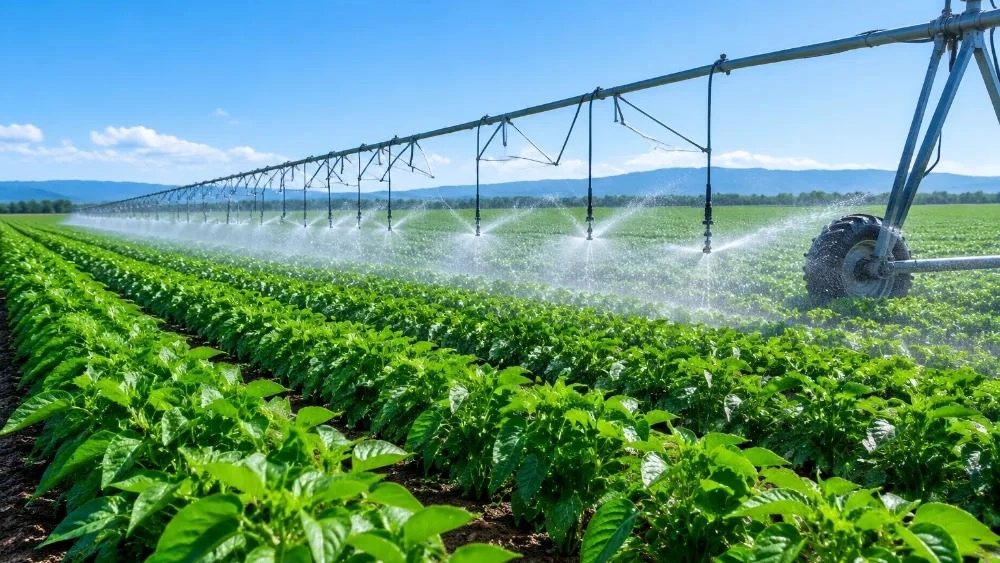
Choosing the right fertilizer to increase farm productivity is one of the most important factors in basic agricultural management and obtaining a high-quality product. In order to increase the yield of the land, improve the growth of plants and maintain the fertility of the soil, farmers must have a detailed plan to provide the nutrients needed by their crops. Using the right fertilizer can help in better root growth, leaf development, increased flowering, fruit formation and improved product quality; But the improper use of fertilizer not only does not always have the desired result, but may increase production costs and damage the soil and water resources.
In today's agriculture, increasing productivity does not only mean more harvest. Real productivity is achieved when the farmer can produce a product according to the capacity of the land by properly managing water, soil, fertilizer and other inputs. For this reason, choosing the right fertilizer to increase farm productivity should be done based on the actual needs of the plant, soil characteristics, weather conditions, and cultivation method.
Each plant needs a different combination of nutrients at different stages of growth. For example, nitrogen plays an important role in vegetative growth and leaf formation, phosphorus helps root growth and energy transfer, and potassium is effective in regulating plant water and improving some quality characteristics of the product. In addition to these main elements, micronutrients such as iron, zinc, manganese and boron are also necessary for the natural growth of the plant.
In this direction, Aromaad Company can be noticed by farmers and activists in this field as a name related to the introduction and review of agricultural inputs. Knowing the characteristics of fertilizers, checking the technical characteristics of products and selecting inputs according to farm conditions are among the most important actions that can help improve plant nutrition management.
In this article, we examine the criteria for choosing the right fertilizer to increase farm productivity, types of agricultural fertilizers, the role of soil testing, application timing, and basic plant nutrition management strategies.
Where does choosing the right fertilizer to increase farm productivity begin?
The first step to choose the right fertilizer is to know the current condition of the land and the nutritional needs of the crop. Many plant growth problems are related to the lack of a specific element; But sometimes other factors such as soil salinity, inappropriate acidity, lack of water, soil compaction or root damage cause growth reduction.
If the farmer increases the use of fertilizer without investigating the root cause of the problem, he may not get the desired result. Therefore, it is necessary to collect information about the condition of the soil and cultivation conditions before selecting the input.
Checking the condition of the soil before fertilization
Soil testing is one of the important tools to determine the nutritional status of the land. This test can provide information about acidity, salinity, organic matter and the amount of some food elements. Based on the results of the test, it is possible to identify the possible needs of the soil and set a more suitable program for fertilizer use.
For example, if the soil is in good condition in terms of phosphorus, it may not be necessary to use an additional amount of phosphate fertilizer. On the other hand, if the deficiency of a nutrient is confirmed, its targeted supply can help improve plant growth.
Know the nutritional needs of the product
Each agricultural product needs different nutritional elements. Wheat, corn, rice, vegetables and fruit trees are different from each other in terms of the absorption of elements, the time of need and sensitivity to nutritional deficiencies.
As a result, choosing the right fertilizer to increase farm productivity should be accompanied by knowing the type of product and its growth stage. The nutritional program of a wheat field is not necessarily suitable for an orchard or greenhouse.
Paying attention to weather conditions and irrigation method
Temperature, amount of rainfall, humidity and quality of irrigation water affect the absorption and transfer of nutrients. In rainy areas, the possibility of leaching of some elements increases; While in dry and salty areas, management of salinity and water quality is more important.
Irrigation method should also be considered in the fertilization program. In drip irrigation systems, the use of appropriate fertilizers compatible with the equipment can provide the possibility of supplying nutrients in stages.
Familiarity with types of agricultural fertilizers and their application
To choose the right fertilizer to increase farm productivity, it is very important to know different groups of fertilizers. Each group, based on its composition and characteristics, can provide part of the plant's nutritional needs.
nitrogen fertilizers; Effective in plant growth
Nitrogen is one of the main elements required by plants and plays a role in the construction of proteins, chlorophyll and many essential compounds. Nitrogen deficiency can usually cause a decrease in growth, leaves become smaller and their color turns pale.
Nitrogen fertilizers are widely used in many crops, including wheat, corn and some vegetables. However, excessive consumption of these fertilizers may cause excessive vegetative growth, delay in ripening, increase susceptibility to some diseases and decrease product quality.
For better use of nitrogen fertilizers, the consumption amount and fertilization time should be determined based on the needs of the product, soil condition and weather conditions. Dividing consumption in several stages, under appropriate conditions, can help reduce nitrogen loss.
phosphate fertilizers; Help root development
Phosphorus plays an important role in energy transfer, root growth and plant vital processes. The proper supply of this element in the early stages of growth can help plant establishment and root development.
The ability to absorb phosphorus depends on the chemical characteristics of the soil. In some acidic or calcareous soils, some of the phosphorus may be converted into forms that are more limited to the plant.
For this reason, the selection of phosphate fertilizer should be based on soil test results and crop needs. Excessive consumption of phosphorus can cause the accumulation of this element in the soil and increase the risk of its transfer to water sources.
potassium fertilizers; Effective in product quality
Potassium plays a role in regulating plant water, enzyme activity and normal cell function. This element can also help to improve the quality of some products and increase the plant's tolerance to environmental stress under appropriate conditions.
In horticultural crops, potassium status may affect some fruit quality characteristics. In crops, its balanced supply is important for proper growth and performance.
micronutrient fertilizers; Essential elements in small amounts
Deficiency of micronutrients may reduce growth, change the color of leaves, disrupt flowering, or reduce product quality. However, the apparent symptoms of nutrient deficiency are sometimes similar to symptoms of disease or environmental stress.
Therefore, before using micronutrient fertilizers, the cause of the problem should be investigated. Excessive consumption of some of these elements can be toxic to the plant and lead to a decrease in yield.
organic fertilizers; Help improve soil structure
Organic fertilizers are produced from sources such as plant and animal processed materials. These products can help increase soil organic matter, improve soil structure and strengthen its biological activity.
Organic substances in many soils play an important role in water retention and improving root growth conditions. Of course, the effect of organic fertilizer depends on the quality of the raw materials, the processing method, the amount of food and the condition of the soil.
In choosing organic fertilizers, attention should be paid to the amount of salinity, the degree of ripening, food ingredients and the possibility of the presence of pollutants. The use of unripe or inappropriate organic materials may cause problems for the plant.
Organic, mineral and combined fertilizers
Organo-mineral fertilizers are a combination of organic materials and mineral nutrients. These products may be used in different plant nutrition programs; But their effectiveness depends on the actual composition and suitability to the needs of the land.
When choosing these products, it is necessary to check the percentage of nutrients, usability, method of application and their compatibility with cultivation conditions. Using a combined product does not mean that there is no need to evaluate the soil and adjust the fertilization program.
The role of choosing the right fertilizer in increasing the productivity of crops
Choosing the right fertilizer for wheat and barley
Wheat and barley need different nutritional elements in different growth stages. Phosphorus is important for initial establishment and root development, and nitrogen plays a role in vegetative growth and seed formation.
Disproportionate use of nitrogen may cause excessive growth of plants or increase the probability of dormancy. On the other hand, the lack of essential elements can also reduce the performance and quality of the product.
To manage the nutrition of these crops, it is better to adjust the fertilization program based on the soil test, cultivation history, weather conditions and growth stage.
Choosing the right fertilizer for corn
Corn needs a balanced supply of nutrients during the stages of vegetative growth and seed formation. Root development, leaf growth and the formation of reproductive organs are important stages in which nutrition management is important.
In lands where the amount of food is different, the amount of fertilizer required can also change. The quality of irrigation water and the method of using fertilizer also affect the effectiveness of the nutritional program.
Choosing the right fertilizer to increase the productivity of the corn field should be done in such a way that the needs of the plant are met and the unnecessary consumption of inputs is avoided.
Choosing the right fertilizer for rice
Rice in different cultivation conditions, especially in flooded lands, has a different nutritional behavior than some other crops. Conditions of soil oxidation and reduction, water management and soil type can affect plant access to nutrients.
For this reason, the rice fertilization program should be adjusted according to the field conditions and growth stage. The consumption of nitrogen, phosphorus and potassium should be done based on the needs of the product and technical information.
Choosing the right fertilizer to increase the productivity of gardens and greenhouse products
Gardens and greenhouses, due to the difference in the type of product, the method of cultivation and the duration of the production period, need nutrition programs that are suitable for their conditions.
Fertilization management in fruit trees
Fruit trees need nutrients at different stages of the year. Spring growth, flowering, fruit formation, branch growth and preparation for the sleeping period, each have specific nutritional conditions.
Tree type, age, yield rate, weather conditions and soil condition affect the choice of fertilizer. For example, the nutritional needs of a young tree may be different from the needs of a mature and productive tree.
Soil testing and, if necessary, examining the leaves, can help better diagnose deficiencies. Based on this, the nutritional program is adjusted according to the conditions of the garden.
Fertilizer selection for tomatoes and vegetables
Tomatoes and vegetables need balanced nutritional elements for vegetative growth, flowering and crop production. Excessive use of nitrogen can increase leaf growth and disrupt the balance between vegetative growth and fruit production.
On the other hand, the lack of potassium or some micronutrients may affect the quality and performance of the product. Fertilizer selection should be done according to the growth stage, irrigation method, soil conditions and the actual needs of the plant.
Nutrition management in the greenhouse
In greenhouses, precise control of water and nutrients is very important. Many producers use controlled irrigation systems to gradually supply the elements needed by the plant.
In this situation, water quality, concentration of nutrient solution, salinity of root environment and compatibility of fertilizers with equipment should be checked. Improper selection of fertilizer or incompatible mixing of products may cause sedimentation in the irrigation system or disruption of element absorption.
Therefore, choosing the right fertilizer to increase farm productivity in greenhouse environments should be based on technical information and continuous monitoring of cultivation conditions.
The effect of soil characteristics on the efficiency of agricultural fertilizer
Even high-quality fertilizer may not be able to show its full capacity if the soil conditions are inappropriate. Soil characteristics affect water retention, movement of nutrients and their ability to be absorbed.
Sandy soils
Sandy soils usually have better drainage and pass water faster than fine-textured soils. For this reason, some nutrients in these soils are more exposed to leaching.
In this situation, dividing the use of fertilizer into several stages can help reduce the loss of elements. Of course, the timing and amount of consumption should be determined based on the type of product, irrigation conditions and expert advice.
Clay soils
Clay soils usually have a higher capacity to hold water and some nutrients; But in inappropriate conditions, they may face problems such as poor ventilation, insufficient drainage or compression.
In such lands, improvement of soil structure and moisture management should be considered along with nutritional program. Increasing the amount of fertilizer alone cannot solve the problems caused by the inappropriate physical conditions of the soil.
Calcareous and alkaline soils
In some calcareous and alkaline soils, the ability to absorb iron, zinc and some other elements decreases. This issue may cause deficiency symptoms in the plant, even if the total amount of the element in the soil is not very low.
Choosing the right source of micronutrients and its consumption method should be done according to the chemical conditions of the soil. In some cases, improving soil management can also be effective in addition to providing nutrients.
Saline soils
High salinity can make it difficult for the roots to absorb water and reduce plant growth. In such a situation, the selection of fertilizer should be done according to the amount of salts in the soil and irrigation water.
Irrigation management, drainage and salt accumulation control are important measures to improve cultivation conditions. Excessive use of some fertilizers may increase the salinity of the root environment; Therefore, one should refrain from choosing and consuming without checking the ingredients.
Aromaad Company; Accompanying in the path of conscious selection of agricultural inputs
Choosing the right inputs is part of the professional farm management process. In order to achieve optimal performance, farmers must be able to evaluate the available products in terms of nutritional composition, quality, consumption method and compatibility with cultivation conditions.
Aromaad Company can be considered as a name related to the field of agricultural inputs in the way of getting to know the products and checking the available options. Conscious selection of products, checking technical information and paying attention to the real needs of the farm are important issues in deciding to buy agricultural fertilizer.
The importance of knowing the characteristics of products
Each fertilizer should be checked based on its actual composition and properties. The percentage of food elements, the chemical form of the material, the ability to dissolve, the storage conditions and the method of consumption are some of the things that are important in choosing the product.
When examining the products related to Aromaad company, it is better to adapt the technical information of each product to the needs of the land and the type of cultivation. This work helps the farmer to make his choice based on the actual use of the product.
Fertilizer selection based on the actual needs of the farm
The food needs of the lands are not the same. Even two farms with the same crop may need different nutritional programs due to differences in soil, water quality, cultivation history, and climatic conditions.
For this reason, it is not recommended to use a fixed version for all farms. Aromaad company can be examined in the framework of introduction of agricultural inputs; But the final choice should be made based on product specifications, soil test results and related technical recommendations.
Attention to sustainable agricultural management
Sustainable agriculture emphasizes on optimal use of resources, maintaining soil fertility and reducing damage to the environment. Balanced use of fertilizer can prevent the loss of nutrients and their unnecessary transfer to water sources.
In this approach, choosing the right product is only one of the work steps. The correct timing of consumption, irrigation management, plant growth monitoring and modification of the nutritional program are also important.
How to increase the efficiency of agricultural fertilizer?
Increasing the efficiency of fertilizer means better plant use of consumed nutrients. To achieve this goal, the amount, time and method of consumption must be in harmony with the needs of the plant.
Determining the right amount of fertilizer
The consumption amount should be determined based on soil test results, product needs and expected yield. Using too much fertilizer not only does not necessarily increase the yield, but may disturb the nutritional balance of the soil.
Choosing the right time for consumption
Some elements are more important in the initial stages of growth; While the need for some elements changes during the stages of flowering, fruit formation or seed filling.
Adjusting the consumption time based on the growth stage can help the plant use nutrients better. Also, the conditions of rainfall, irrigation and the possibility of washing must be taken into consideration in planning.
Choosing the right application method
Fertilizers may be used in different ways such as soil application, foliar application or irrigation. Choosing the right method depends on the type of fertilizer, product characteristics, soil conditions and available equipment.
For example, foliar spraying of some micronutrients in specific conditions can help to solve some deficiencies faster; But it is not a permanent substitute for root nutrition. The method of consumption should be chosen based on product instructions and technical recommendations.
Monitoring the condition of the plant after fertilization
After using fertilizer, it is important to check the growth status of the plant, the color of the leaves, root development and possible signs of deficiency or toxicity. This information can be used to modify the nutritional program in the next steps.
Continuous monitoring helps the farmer to adjust his decisions based on the actual conditions of the land instead of repeating a fixed program.
The role of nutrition planning in reducing production costs
Agricultural costs are not limited to the purchase of inputs; Because improper use of fertilizer may cause waste of resources, decrease product quality and increase side costs.
For example, in soils with a high probability of leaching, dividing the consumption of some fertilizers into several stages can help the plant use elements better. In salty lands, it is important to choose food sources according to soil and water conditions.
On the other hand, paying attention to the quality of fertilizer and its technical specifications can reduce the possibility of choosing an inappropriate product. In this way, checking the available options and getting to know the information of the products related to Aromaad Company can be a part of the evaluation process of agricultural inputs.
summary
Choosing the right fertilizer to increase farm productivity is one of the main foundations of scientific agricultural management. A balanced supply of nutrients can help plant grow better, improve product quality, and use resources more effectively; But the desired result is achieved when the selection and consumption of fertilizer is done based on the real conditions of the farm.
Aromaad company can also be considered as a name related to the introduction and review of agricultural inputs in the selection of products. However, the selection of each product should be based on its technical specifications, quality and suitability to the needs of the farm.
Finally, choosing the right fertilizer to increase farm productivity is not only limited to preparing a suitable product; Rather, it includes a series of measures including soil testing, nutrition planning, irrigation management and plant growth monitoring. The implementation of these principles can help maintain the fertility of the land, reduce the unnecessary consumption of inputs and improve the sustainability of agricultural production.